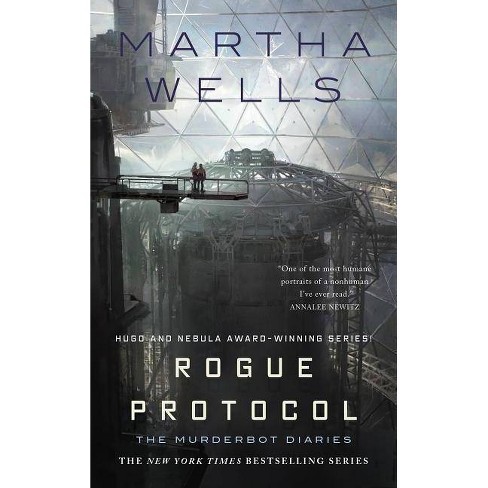
This book plays out like an exciting transitional episode of a serialized TV show, and I mean that as a compliment. Murderbot finally catches back up with its primary crew of humans, and Wells does a fantastic job revealing important elements of Murderbot and Dr. Mensah’s personalities through moments of action as well as quiet conversation, complete with her trademark snappy dialogue.
I am enjoying the Murderbot’s agonized process of engaging with its own emotions.
I read this book to take a break at the mid-point of Book of the New Sun with something that’s written in a more straightforward manner. It’s a nice companion piece, thematically.
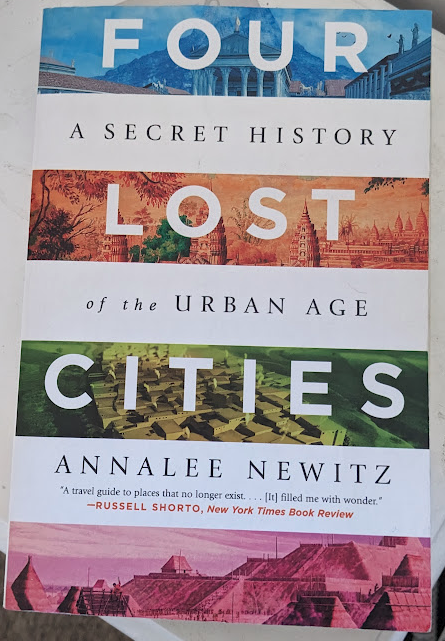
Of late I’ve found that what you might call “social history” – explorations of what daily life was like for regular people, which is really the great majority of what human life and history is – to be the most interesting kind to read. To that end, this book tells the stories, as far as we have reconstructed, of the real people who did the living and loving and eating and working and dying that made Catalhoyuk, Pompeii, Angkor, and Cahokia what they were.
I also really like how much Newitz, in discussing the ends of these cities, avoids easy and reductive narratives of “decline” and instead looks at what might have caused people to move on. Whether the life of a city ends when people leave the physical location or whether that life is inherent in the people who made it and instead of ending continues to grow and change with them is a fascinating subject to consider.
Among favorite kinds of books to look for at thrift shops and flea markets are collected editions of newspaper comics. These one-time mainstays on the shelves of Barnes & Noble and Borders (RIP) have almost disappeared, and thanks to the waning polularity of the medium they are probably not widely missed. Or even perhaps thought about all that much at all.
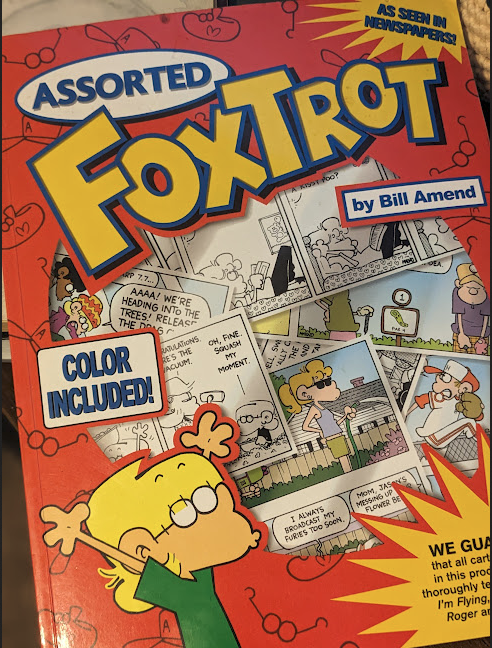
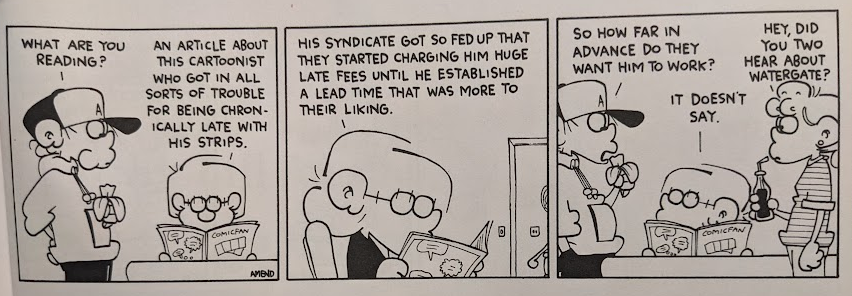
Foxtrot was always one of my favorite comics to read in the newspaper, back when our family had such a thing delivered to our house every day, and this anthology collection is a good reminder of how sharp and consistent it was (still is, I guess, though it carries on as a Sunday-only concern). Each family member is well-defined as a person, and their interactions work well on the surface and even better the more immersed you are in the strip.
The focus tends to fall more on the kids (Peter, Paige, and Jason), especially when it veers into week-long or multi-week stories, and I like how each one of them is portrayed as a little bit less cool than they think they are, but in a relatable rather than a mean-spirited way. Andy and Roger, the parents, get less of the spotlight, but I found myself enjoying the installments that focus on them much more than I did when I was younger and I think the strip does a good job showing them as committed to their family and also wanting to express themselves as individuals.
This collection runs through a few years of late 90s strips, and there’s a good amount of lighthearted nostalgia going through the Fox family’s reactions to pop cultural touchstones like Titanic, the Beanie Baby craze, the release of Windows 98 and the Phantom Menace hype. It’s also got some storylines about the dot com bubble (pre-burst) and day trading that have aged very well in their side-eyed cynicism.
Moment to moment, this is one of the most entertaining series I have ever read. Murderbot would enjoy consuming it if it showed up among its media files.

 Soup Is Good Food